Peptide Therapy
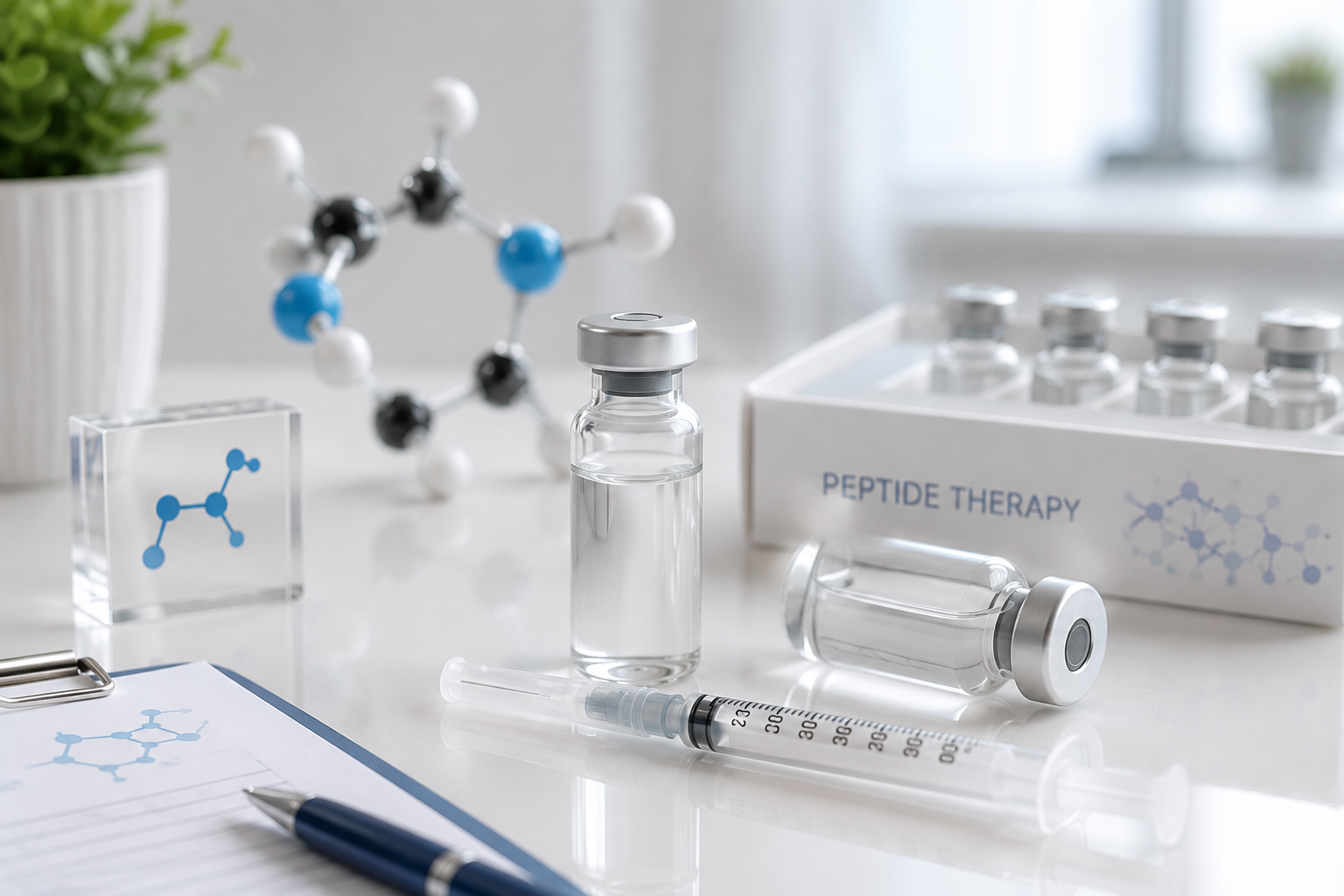
Peptide Therapy in Stone Mountain, GA
Skin M.D. INC provides personalized peptide therapy for adults in Stone Mountain, GA seeking targeted support for recovery, metabolic function, and overall wellness. Peptide therapy uses short chains of amino acids that signal the body to perform specific functions, offering a more precise alternative to broader hormone or supplement-based approaches.
Request a Peptide Therapy Consultation With Skin M.D. INC
Interest in peptide therapy has grown significantly among patients looking for science-based options that support the body's natural processes rather than replacing them outright. At Skin M.D. INC, peptide therapy is customized to each patient's goals, whether that involves recovery from physical strain, metabolic support, or general wellness maintenance.
How Peptide Therapy Works
Peptides are naturally occurring molecules that act as messengers within the body, instructing cells to carry out specific tasks such as tissue repair or hormone regulation. Peptide therapy introduces additional peptides to support or enhance these existing processes. Because peptides are highly specific in function, peptide therapy can be tailored closely to an individual patient's needs.
Common Applications of Peptide Therapy
Peptide therapy is frequently used to support muscle recovery, improve sleep quality, and assist with metabolic regulation. Some patients pursue peptide therapy specifically for its potential role in supporting healthy aging and cellular repair.
The Peptide Therapy Consultation Process
A peptide therapy program at Skin M.D. INC begins with a detailed consultation covering health history, current symptoms, and treatment goals. Depending on the type of peptide therapy being considered, baseline labs may be requested before a personalized plan is created.
Types of Peptide Therapy Offered
Peptide therapy at Skin M.D. INC is not one-size-fits-all. Different peptides target different systems in the body, and a provider will recommend a specific peptide therapy protocol based on the patient's primary concern, whether that is recovery, metabolic support, or general wellness.
Learn Which Peptide Therapy Protocol Fits Your Goals
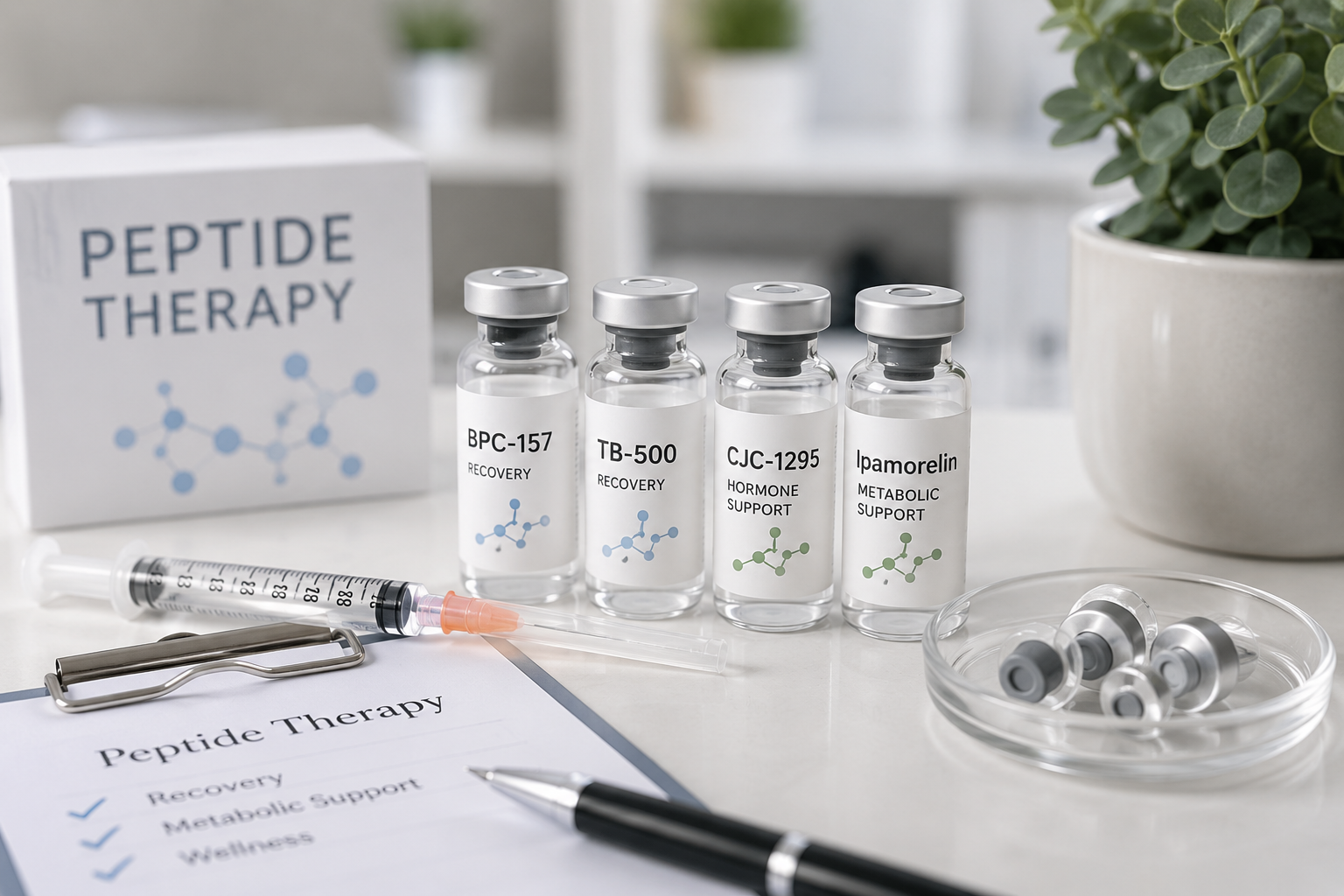
Recovery-Focused Peptide Therapy
Patients dealing with slow healing, joint discomfort, or post-exertion fatigue often pursue peptide therapy aimed at supporting tissue repair and reducing recovery time.
Metabolic Peptide Therapy
Some patients use peptide therapy to support metabolic function alongside other treatments, such as GLP-1 weight management, for a more comprehensive approach to overall health.

What to Expect From Peptide Therapy
Results from peptide therapy vary depending on the specific peptide used and the condition being addressed. Most patients begin noticing changes gradually over several weeks rather than immediately. Ongoing telehealth follow-ups allow providers to track how a patient is responding to peptide therapy and make adjustments as needed.
Administration of Peptide Therapy
Most peptide therapy protocols involve subcutaneous injections administered on a regular schedule at home, following detailed instructions provided by the prescribing provider.
Monitoring During Peptide Therapy
Providers at Skin M.D. INC schedule periodic check-ins during peptide therapy to review progress, discuss any side effects, and confirm the current protocol still aligns with the patient's goals.
Is Peptide Therapy Right for You
Peptide therapy is best suited for adults who understand it as a supportive, targeted treatment rather than a guaranteed solution for every symptom. During the initial consultation, a Skin M.D. INC provider will review whether peptide therapy is an appropriate fit based on the patient's health history and specific goals.
Schedule Your Peptide Therapy Evaluation Today
Frequently Asked Questions About Peptide Therapy
What is peptide therapy used for?
Peptide therapy is used to support functions such as tissue repair, metabolic regulation, recovery, and healthy aging by introducing specific peptides that signal the body to perform targeted tasks.
Is peptide therapy safe?
When prescribed and monitored by a licensed provider, peptide therapy is generally considered safe for appropriate candidates, though individual suitability depends on health history.
How is peptide therapy administered?
Most peptide therapy protocols are administered through subcutaneous injections at home, following a schedule set by the prescribing provider.
How long before peptide therapy shows results?
Most patients begin noticing the effects of peptide therapy gradually over several weeks, though timelines vary based on the specific peptide and individual response.
Do I need labs before starting peptide therapy?
Depending on the type of peptide therapy being considered, baseline bloodwork may be requested to help guide dosing and monitor progress over time.
Can peptide therapy be combined with GLP-1 weight management?
Yes, some patients use peptide therapy alongside GLP-1 weight management for a more comprehensive approach to metabolic health, under provider guidance.
What are the side effects of peptide therapy?
Side effects of peptide therapy are typically mild and may include injection site irritation or temporary fatigue, though this varies by peptide type.
Is peptide therapy legal and FDA regulated?
Some peptides used in peptide therapy are FDA-approved, while others are compounded. A licensed provider can explain the regulatory status of any peptide being prescribed.
How often are peptide therapy injections needed?
Injection frequency during peptide therapy depends on the specific protocol, ranging from daily to a few times per week.
Can peptide therapy help with recovery from exercise or injury?
Yes, certain peptide therapy protocols are specifically used to support tissue repair and reduce recovery time following physical strain or injury.
Is peptide therapy available through telehealth?
Yes, peptide therapy consultations and follow-up monitoring can be conducted through telehealth, with local labs completed as needed.